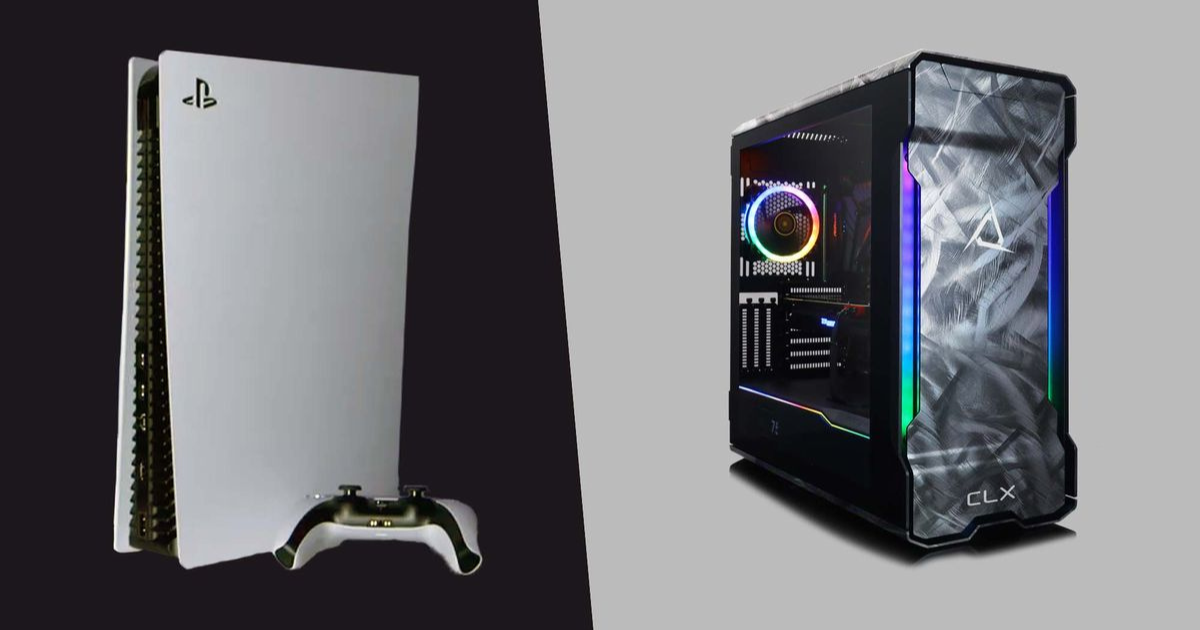
Console vs. PC Gaming: Which Is Better?
The debate between console and PC gaming has been going on for decades, and it shows no signs of slowing down. Both platforms have strong fan bases and unique advantages, making the choice largely dependent on personal preference. Whether you’re a casual player, a competitive gamer, or someone exploring the hobby for the first time, understanding the differences can help you find the best gaming experience for your needs. Here’s a balanced look at what each platform offers—and which one might be better for you.
Ease of Use and Accessibility
One of the biggest advantages of console gaming is its simplicity. Consoles like PlayStation, Xbox, and Nintendo Switch are designed to work right out of the box. There’s no complicated setup or hardware configuration—just plug in, update, and start playing. This makes consoles ideal for casual gamers who want a hassle-free experience.
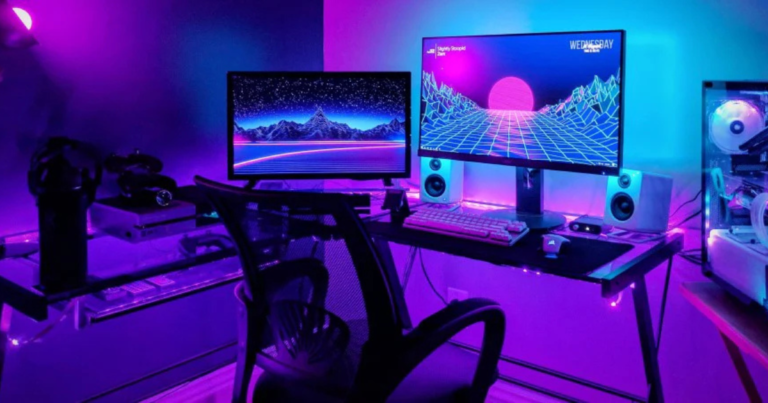
On the other hand, PC gaming requires more involvement. Players often need to understand computer hardware, software settings, and drivers. While this may seem intimidating, it also offers far greater customization. You can build a PC that perfectly matches your performance needs and budget, something consoles cannot match.
Performance and Graphics
If pure power is what you’re after, PC gaming generally comes out on top. High-end gaming PCs can deliver better graphics, higher frame rates, and smoother gameplay than most consoles. Players can enjoy ultra settings, 4K resolution, and advanced technologies like ray tracing with greater flexibility.
Consoles, however, still offer impressive performance at a lower cost. Modern systems like the PlayStation 5 and Xbox Series X deliver excellent graphics without requiring players to upgrade individual components. They also optimize games specifically for their hardware, allowing titles to run smoothly even without the customization options of a PC.
Game Library and Exclusives
Both platforms offer broad game libraries, but they differ in key ways.
Console exclusives are major selling points. Nintendo’s Mario and Zelda games, Sony’s titles like God of War and The Last of Us, and some Xbox Game Pass exclusives are only available on their respective systems. For many players, these exclusives alone determine which platform they choose.
PC gaming, meanwhile, dominates in genres like real-time strategy, simulation, and competitive shooters. PCs also offer access to massive libraries through platforms like Steam, Epic Games Store, and others. Indie games often launch on PC first, giving players access to fresh experiences early.
Cost and Upgrades
When it comes to upfront cost, consoles are typically cheaper. Buying one unit gives you everything you need for gaming. Upgrading isn’t necessary until a new console generation arrives, which usually takes several years.
PCs require more investment, especially if you want top-tier performance. High-quality components can be expensive, and upgrades may be needed over time. However, PCs can be upgraded piece by piece, which allows players to improve performance gradually rather than buying a completely new system.
Online Services and Community
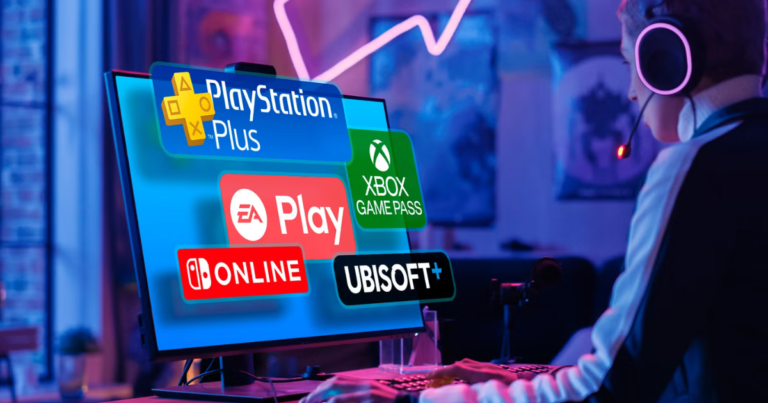
Console platforms offer structured online services such as PlayStation Plus, Xbox Game Pass, and Nintendo Switch Online. These services provide multiplayer access, cloud saves, and monthly free games, though often at a subscription cost.
PC gaming offers free online play and access to community-driven experiences like mods, custom servers, and user-made content. This freedom expands gameplay possibilities and keeps many titles fresh for years.
Which Is Better?
There is no single answer—both platforms shine in different ways.
- Choose console gaming if you want simplicity, affordability, and exclusive titles.
- Choose PC gaming if you value performance, customization, and access to a wider variety of games and content.
Ultimately, the best platform is the one that fits your lifestyle, budget, and gaming preferences. Whether you prefer the plug-and-play convenience of consoles or the power and flexibility of PCs, both offer fantastic ways to experience the world of gaming.