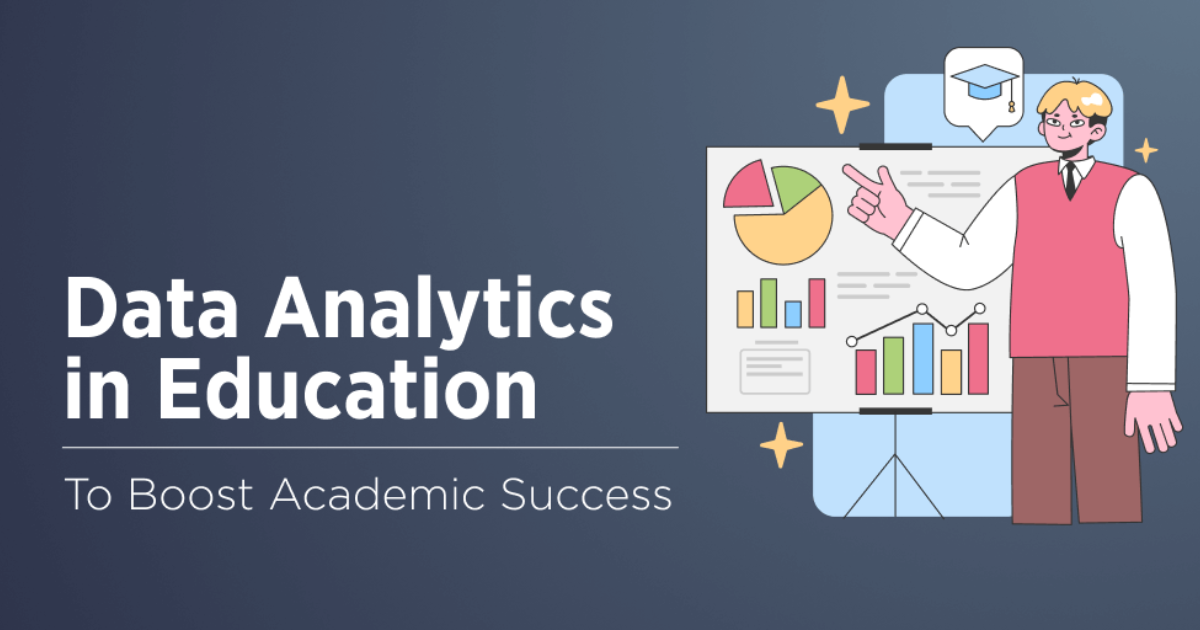
Data Analytics in Education: Transforming Teaching and Learning
The education sector is undergoing a digital transformation, and data analytics is at the heart of this change. Schools, colleges, and universities generate vast amounts of data every day—from student attendance and assessment scores to learning management system activity and engagement metrics. When analyzed effectively, this data can provide valuable insights that improve teaching strategies, enhance student outcomes, and support informed decision-making.
Understanding Data Analytics in Education
Data analytics in education refers to the process of collecting, analyzing, and interpreting educational data to understand learning patterns and improve performance. It involves using statistical tools, software platforms, and emerging technologies such as artificial intelligence and machine learning to uncover trends that may not be visible through traditional methods.
Educational data can come from multiple sources, including online learning platforms, classroom assessments, surveys, and administrative systems. By combining and analyzing this information, educators can gain a holistic view of student progress and institutional effectiveness.
Enhancing Student Learning Outcomes
One of the most significant benefits of data analytics in education is its ability to support personalized learning. Analytics can identify students’ strengths, weaknesses, and learning preferences, allowing teachers to tailor instruction accordingly. For example, if data shows that a group of students is struggling with a particular concept, educators can provide targeted interventions or additional resources.
Predictive analytics also plays an important role in identifying at-risk students. By analyzing attendance patterns, assignment submissions, and assessment results, institutions can detect early warning signs of disengagement or potential dropout. This enables timely support, such as academic counseling or tutoring, improving student retention and success.
Improving Teaching and Curriculum Design
Data analytics empowers educators to evaluate the effectiveness of teaching methods and curriculum design. Performance data can reveal which instructional approaches lead to better learning outcomes and which areas require improvement. Teachers can use these insights to refine lesson plans, adjust pacing, and adopt more effective teaching strategies.
At the institutional level, curriculum designers can analyze long-term data to ensure courses align with learning objectives and industry requirements. This data-driven approach helps educational institutions remain relevant in a rapidly changing world.
Supporting Administrative and Strategic Decisions
Beyond the classroom, data analytics supports informed decision-making in educational administration. School leaders can use data to optimize resource allocation, improve scheduling, and manage faculty workloads. Enrollment trends and performance metrics also help institutions plan for future growth and development.
Data analytics can improve transparency and accountability by providing measurable indicators of performance. This is particularly important for meeting accreditation standards and demonstrating the impact of educational programs to stakeholders.
Challenges and Ethical Considerations
Despite its benefits, data analytics in education presents challenges. Data privacy and security are major concerns, as educational institutions handle sensitive student information. Ensuring compliance with data protection regulations and implementing strong cybersecurity measures is essential.
Ethical use of data is equally important. Institutions must ensure that data analytics does not lead to biased or unfair outcomes. Transparency in how data is collected, analyzed, and used helps build trust among students, parents, and educators.
The Future of Data-Driven Education
As technology continues to evolve, data analytics will play an increasingly important role in shaping the future of education. Advanced analytics, real-time dashboards, and AI-powered insights will enable more responsive and adaptive learning environments.
When used responsibly, data analytics has the potential to transform education from a one-size-fits-all model into a personalized, efficient, and inclusive system. By leveraging data wisely, educators can empower learners, enhance teaching quality, and create better educational experiences for all.