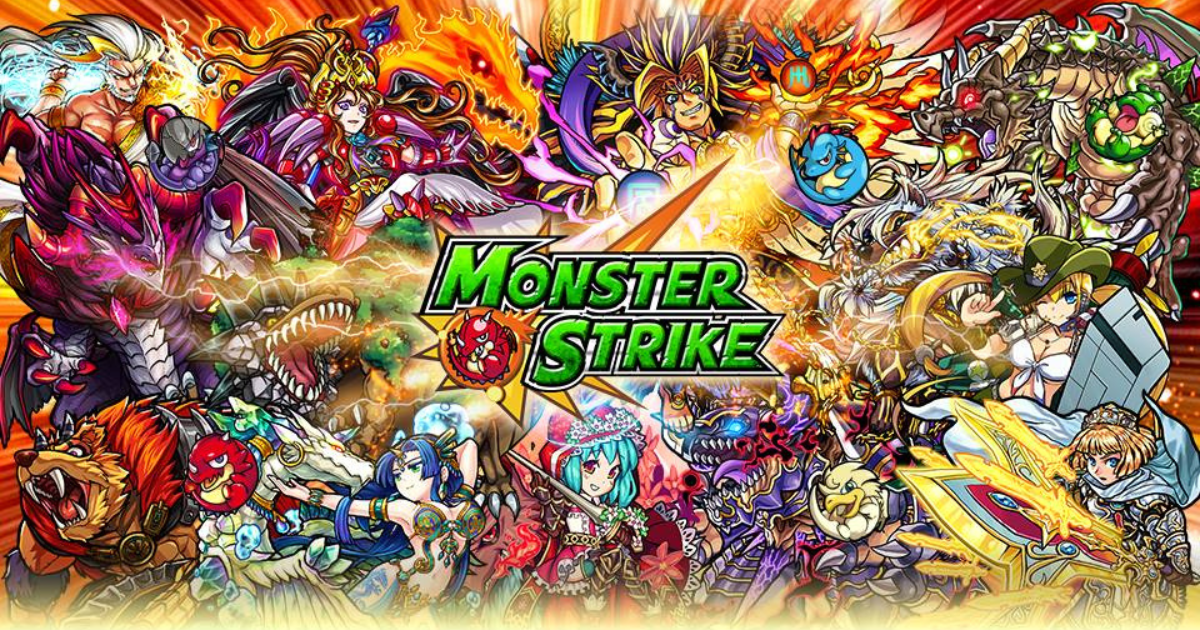
Monster Strike: Japan’s Mobile Gaming Phenomenon
Monster Strike is one of the most influential and successful mobile games in Japan, earning its place as a true gaming phenomenon. Developed by Mixi and released in 2013, the game combines action, strategy, and social interaction in a way that reshaped Japan’s mobile gaming landscape. More than just a game, Monster Strike has become a cultural icon with a lasting impact on the industry.
Simple Yet Innovative Gameplay
At its core, Monster Strike stands out because of its unique gameplay mechanics. Instead of traditional turn-based or action controls, the game uses a “pull-and-release” slingshot system. Players flick their characters across the screen to attack enemies, bouncing off walls and other characters to deal damage.
This simple control scheme makes the game easy to learn, even for beginners, while still offering depth and strategy for experienced players. Timing, positioning, and team composition all play important roles, keeping gameplay engaging and skill-based.
Strong Focus on Social Play
One of the biggest reasons for Monster Strike’s success is its emphasis on multiplayer and social interaction. Players can team up locally or online to complete quests together. Cooperative play encourages communication, teamwork, and shared success, making the game more enjoyable than a solo experience.
In Japan, where mobile gaming often overlaps with social activities, this cooperative design helped Monster Strike spread rapidly through word of mouth. Friends playing together on trains, in schools, or at cafes contributed to the game’s explosive growth.
Gacha System and Character Collection
Like many Japanese mobile games, Monster Strike uses a gacha system for character collection. Players obtain monsters with different abilities, elements, and rarities, allowing for a wide variety of team strategies. The excitement of collecting powerful or rare characters keeps players invested over time.
While gacha mechanics have raised ethical discussions in gaming, Monster Strike balances this system with generous in-game rewards and frequent events, allowing players to progress without constant spending. This balance helped the game appeal to both casual and dedicated players.
Frequent Updates and Live Events
Monster Strike operates as a live-service game, offering constant updates, new characters, and limited-time events. Seasonal campaigns, special challenges, and collaborations keep the game fresh and encourage players to return regularly.
The game is also known for its large-scale offline events, tournaments, and promotional campaigns across Japan. These events strengthen the connection between the game and its community, turning players into long-term fans.
Cultural Impact in Japan
Few mobile games have reached the cultural status of Monster Strike in Japan. At its peak, the game consistently topped revenue charts and attracted millions of active players. Its characters have appeared in anime adaptations, merchandise, commercials, and collaborations with major brands.
The game’s success also influenced how mobile games are developed and marketed in Japan. Its focus on multiplayer, accessible controls, and community-driven design inspired many later titles.
Longevity in a Competitive Market
The mobile gaming market is highly competitive, with trends changing rapidly. Monster Strike’s ability to remain relevant for over a decade is a testament to its strong design and continuous innovation. Mixi has consistently refined gameplay, improved balance, and introduced new content without abandoning the core experience players love.
This long-term approach has allowed Monster Strike to maintain a loyal player base even as new games enter the market.
Conclusion
Monster Strike is more than just a successful mobile game—it is a defining example of how innovative gameplay, social interaction, and community engagement can create a lasting phenomenon. By combining simple mechanics with deep strategy and strong multiplayer features, the game captured the hearts of millions in Japan. Its impact on mobile gaming culture remains significant, making Monster Strike one of the most important titles in Japan’s gaming history.