Recession: Causes and Effects
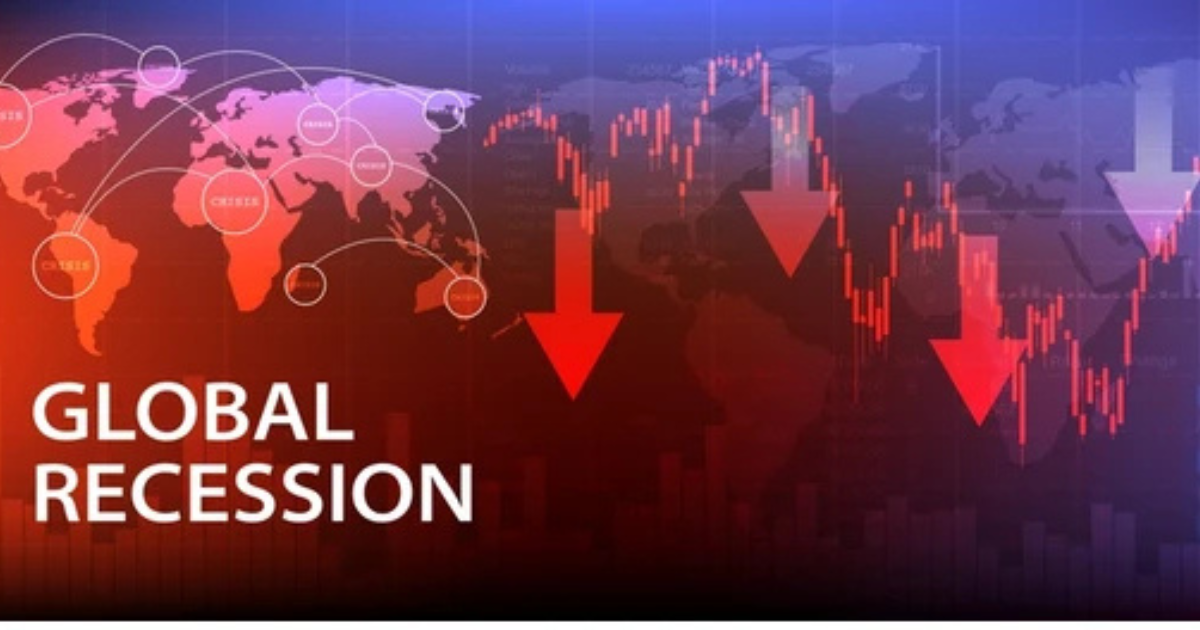
A recession is a period of significant economic decline that lasts for several months or longer. It is commonly characterized by reduced economic activity, falling income levels, rising unemployment, and lower consumer spending. While recessions are a normal part of the economic cycle, their causes and effects can have serious consequences for individuals, businesses, and governments. Understanding these factors helps readers make sense of economic downturns and their real-world impact.
What Is a Recession?
Economists generally define a recession as a sustained decline in economic activity across the economy. This often includes falling Gross Domestic Product (GDP), reduced industrial production, declining retail sales, and weaker employment. Recessions vary in severity and duration—some are mild and short-lived, while others can lead to prolonged economic hardship.
Causes of a Recession
1. High Inflation and Rising Interest Rates
One of the most common causes of a recession is persistently high inflation. When prices rise rapidly, central banks often increase interest rates to control inflation. Higher interest rates make borrowing more expensive for businesses and consumers, reducing spending and investment. As demand slows, economic growth can contract, triggering a recession.
2. Decline in Consumer Spending
Consumer spending is a major driver of economic growth. When households reduce spending due to job insecurity, high debt, or falling confidence, businesses experience lower revenues. This can lead to production cuts, layoffs, and further reductions in spending, creating a downward economic cycle.
3. Financial Market Crashes
Sharp declines in stock markets or housing markets can weaken economic stability. When asset prices fall significantly, household wealth declines, reducing consumer confidence and spending. Financial crises can also limit access to credit, making it harder for businesses to operate and expand.
4. Global Economic Shocks
Events such as pandemics, wars, trade disruptions, or energy crises can severely impact economic activity. Because modern economies are highly interconnected, a slowdown in one major economy can spread globally, increasing the risk of recession in other countries.
5. Excessive Debt
High levels of consumer, corporate, or government debt can make an economy vulnerable. When debt becomes unmanageable, spending slows as borrowers focus on repayment. Defaults can strain financial institutions, further tightening credit conditions and contributing to economic decline.
Effects of a Recession
1. Rising Unemployment
One of the most visible effects of a recession is job loss. As demand falls, companies cut costs by reducing staff or freezing hiring. Higher unemployment reduces household income and spending, deepening the economic slowdown.
2. Lower Business Profits and Investment
Businesses often experience declining sales during a recession. Reduced profits lead companies to delay expansion plans, cut research and development, and reduce capital investment. Small businesses are particularly vulnerable due to limited financial reserves.
3. Decline in Consumer Confidence
Economic uncertainty during a recession causes consumers to become cautious. People tend to save more and spend less, especially on non-essential goods. This decline in confidence can slow economic recovery, as spending remains weak even after conditions begin to stabilize.
4. Government Budget Strain
During a recession, governments face lower tax revenues while spending on unemployment benefits and social programs increases. This can lead to budget deficits and higher public debt. Governments may respond with stimulus measures, such as infrastructure spending or tax cuts, to support economic recovery.
5. Impact on Financial Markets
Financial markets often experience increased volatility during recessions. Stock prices may fall as investors anticipate weaker earnings, while safer assets such as government bonds may see increased demand. Long-term investors may face short-term losses but can also find opportunities as asset prices decline.
Conclusion
Recessions are complex economic events with multiple causes and far-reaching effects. While they can bring financial stress and uncertainty, they also encourage economic adjustments and policy responses that lay the groundwork for recovery. By understanding the causes and effects of recessions, readers can better prepare for economic downturns and make informed financial decisions. For bloggers, explaining recessions in simple terms helps audiences connect economic theory with real-life experiences.