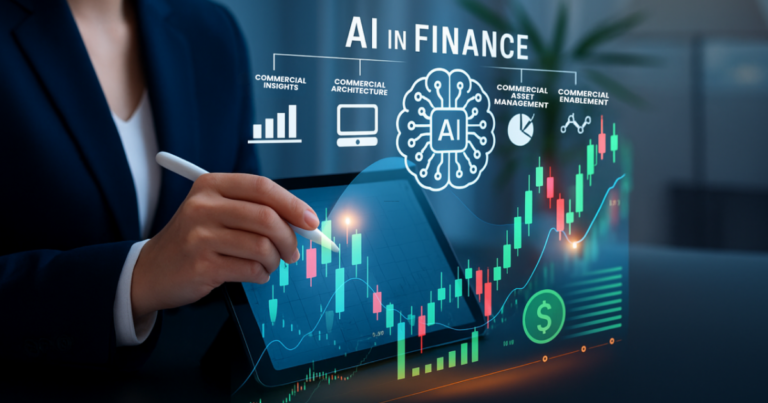
Online Trading Platforms: Empowering the Modern Investor
Online trading platforms have transformed the way individuals and institutions participate in financial markets. What once required phone calls to brokers and significant capital can now be done with a few clicks on a computer or smartphone. These platforms provide access to global markets, real-time data, and advanced tools, empowering investors to trade stocks, commodities, currencies, and digital assets with greater speed and convenience than ever before.
What Are Online Trading Platforms?
Online trading platforms are digital systems that allow users to buy and sell financial instruments through the internet. They are typically offered by brokerage firms, fintech companies, and financial institutions. Most platforms support a wide range of assets, including equities, exchange-traded funds (ETFs), forex, derivatives, and cryptocurrencies.
Modern trading platforms combine execution capabilities with analytical tools, educational resources, and portfolio management features. This integration enables traders to research, analyze, and execute trades from a single interface, making investing more accessible to beginners while still offering depth for experienced traders.
Key Features of Modern Trading Platforms
One of the most important features of online trading platforms is real-time market access. Traders can view live price movements, charts, and market news, allowing them to respond quickly to changing conditions. Advanced charting tools with technical indicators help users analyze trends and identify potential trading opportunities.
Low-cost and commission-free trading has become another defining feature. Many platforms now offer reduced fees compared to traditional brokers, lowering the barrier to entry for retail investors. This shift has played a significant role in the growth of self-directed investing.
User-friendly interfaces are also critical. Platforms are designed to be intuitive, with mobile apps that allow users to trade on the go. Customizable dashboards, alerts, and watchlists enhance usability and improve decision-making.
Security is another essential component. Reputable platforms implement encryption, multi-factor authentication, and regulatory compliance measures to protect user funds and personal data.
Benefits of Online Trading Platforms
Online trading platforms offer several advantages over traditional trading methods. Accessibility is a key benefit, as users can trade anytime and from anywhere with an internet connection. This flexibility supports global participation in financial markets.
Another major benefit is transparency. Investors can see pricing, fees, and order execution details clearly, helping them make informed decisions. Educational tools such as tutorials, webinars, and demo accounts also help new traders build confidence and skills.
For experienced traders, advanced features like algorithmic trading, application programming interfaces (APIs), and risk management tools enable more sophisticated strategies. These capabilities allow traders to automate trades and manage exposure more efficiently.
Risks and Challenges
Despite their advantages, online trading platforms also come with risks. Market volatility can lead to significant losses, particularly for inexperienced traders. Easy access and fast execution may encourage impulsive trading without adequate research or risk management.
Cybersecurity risks are another concern. While platforms invest heavily in security, users must also take responsibility by using strong passwords, enabling multi-factor authentication, and avoiding phishing attempts.
Additionally, not all platforms offer the same level of transparency or regulatory protection. Investors should carefully evaluate a platform’s reputation, regulatory status, and fee structure before opening an account.
The Future of Online Trading
The future of online trading platforms is closely tied to technological innovation. Artificial intelligence, machine learning, and data analytics are being integrated to provide smarter insights and personalized recommendations. Social trading and copy trading features are also gaining popularity, allowing users to learn from experienced investors.
As financial markets continue to evolve, online trading platforms will play a central role in democratizing investing. By combining technology, education, and accessibility, they are reshaping how people engage with global financial markets and manage their financial futures.