The Decline of Arcades in Modern Japan: A Changing Gaming Landscape
For decades, Japanese arcades—known as game centers—were a defining feature of urban life. Brightly lit buildings filled with the sounds of fighting games, rhythm machines, and crane games once stood near almost every major train station. However, despite their cultural significance, arcades in modern Japan are facing a steady decline. Economic pressures, technological change, and shifting lifestyles have reshaped how people play games and spend their leisure time.
The Impact of Home Gaming and Mobile Technology
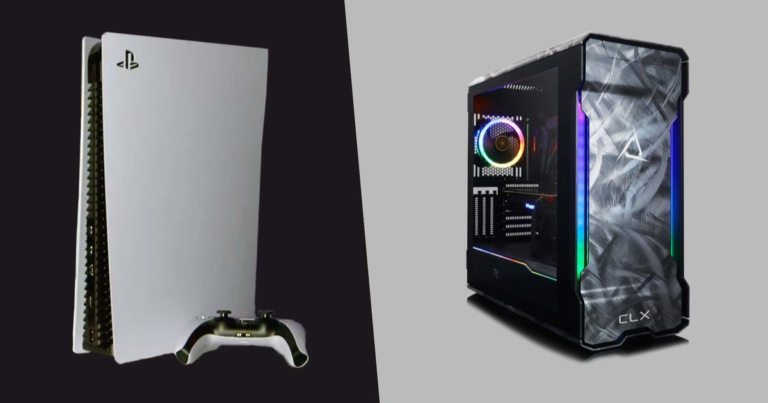
One of the biggest factors contributing to the decline of Japanese arcades is the rise of home gaming and mobile entertainment. Modern consoles and high-end PCs now offer experiences that rival or surpass arcade games in terms of graphics, storytelling, and convenience. Players no longer need to leave their homes to enjoy high-quality gaming.
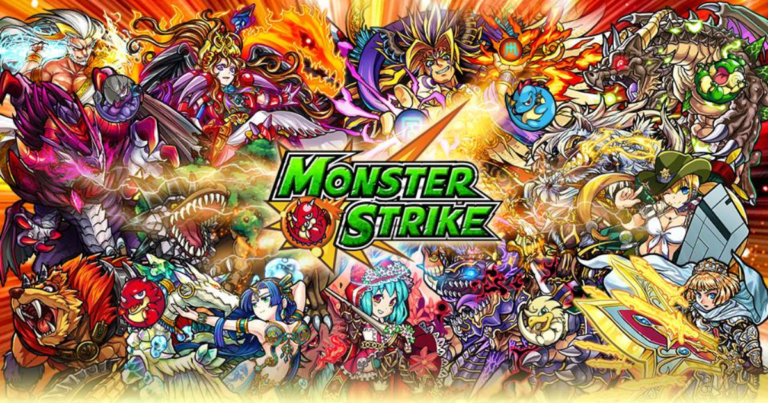
Mobile gaming has had an even greater impact. Smartphones provide instant, low-cost entertainment that fits into busy schedules. Many people who once visited arcades during short breaks or commutes now turn to mobile games instead, reducing foot traffic in game centers.
Rising Operational Costs
Operating an arcade in Japan has become increasingly expensive. Rent in urban areas is high, and arcades require large spaces to house machines. Electricity costs are also significant, as arcade cabinets run for long hours and require constant maintenance.
Additionally, arcade machines are costly to purchase and update. Unlike home games, arcade titles often require specialized hardware and regular software updates. As profits shrink, many smaller, independently owned arcades struggle to survive, leading to closures across the country.
Changing Social Habits
Social habits in Japan have changed over time, especially among younger generations. While arcades were once popular gathering places, today’s social interactions often take place online. Multiplayer games, streaming platforms, and social media allow people to connect without physical presence.
The COVID-19 pandemic accelerated this shift. Lockdowns and health concerns drastically reduced arcade attendance, and many locations were unable to recover even after restrictions were lifted. This period marked a turning point for numerous long-standing arcades.
Corporate Consolidation and Closures
Major arcade chains once dominated Japan’s gaming scene, but even large companies have faced difficulties. Corporate restructuring and strategic shifts have led to the closure of many iconic locations. Some companies have exited the arcade business entirely or reduced their physical presence to focus on digital gaming and entertainment ventures.
This consolidation has reduced the diversity of arcades, replacing unique local game centers with fewer, more standardized locations.
Cultural Loss and Nostalgia
The decline of arcades is not just an economic issue—it represents a cultural loss. Arcades were spaces where players learned skills, competed face-to-face, and formed communities. Fighting game culture, rhythm game mastery, and arcade-specific etiquette thrived in these environments.
For many, arcades hold deep nostalgic value, symbolizing a more social and tactile form of gaming. As arcades disappear, so do these shared cultural experiences that cannot be fully replicated online.
Attempts to Adapt and Survive
Despite the decline, some arcades are finding ways to adapt. Many have shifted focus toward crane games, photo booths, and casual entertainment that appeals to tourists and families. Others host tournaments, retro game nights, or collaborate with cafés and event spaces.
These efforts highlight that while traditional arcades are fading, the desire for physical, communal gaming experiences still exists.
A Future Uncertain but Meaningful
The decline of arcades in modern Japan reflects broader changes in technology and society. While arcades may never return to their former prominence, their influence on gaming culture remains undeniable. Whether preserved through niche venues, retro revival spaces, or cultural memory, Japanese arcades continue to hold a special place in the history of gaming.