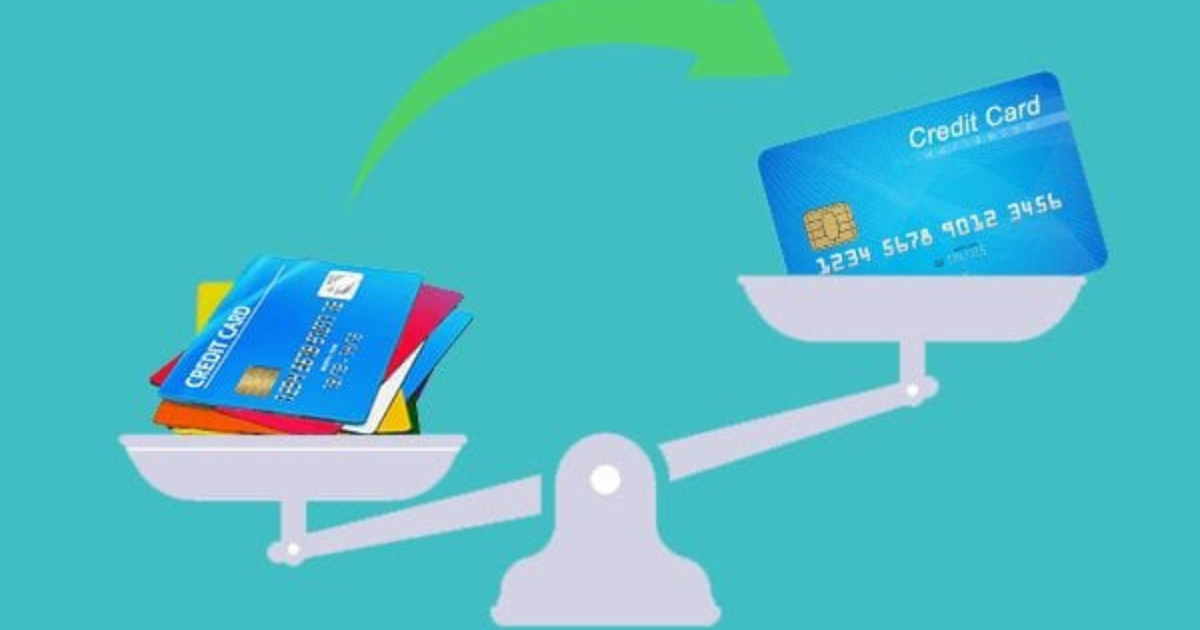
If you’re struggling with high-interest credit card debt, a balance transfers can seem like a financial lifeline. By moving your existing balance to a new card with a lower or 0% introductory interest rate, you can save money and pay off your debt faster. However, balance transfers aren’t always the perfect solution — they come with conditions, fees, and potential pitfalls. Let’s explore the advantages and disadvantages so you can decide if it’s the right move for your finances.
What Is a Balance Transfer?
A balance transfer allows you to move debt from one credit card to another — usually to take advantage of a low or 0% interest rate for a promotional period (often between 6 to 24 months). This can significantly reduce how much you pay in interest, helping you clear your balance faster.
For example, if you owe £3,000 on a card charging 22% APR, moving it to a 0% balance transfer card could save you hundreds in interest — as long as you make consistent payments.
Pros of Using Balance Transfers
1. Save Money on Interest
The biggest advantage of a balance transfer is the potential to avoid paying high interest. Many banks offer 0% interest for a set period, allowing you to pay down your balance faster without accumulating extra costs.
2. Simplify Debt Management
If you have multiple credit cards or loans, combining them into one payment can make it easier to manage your finances. You’ll only need to track a single due date and balance.
3. Pay Off Debt Faster
Without interest piling up, every payment goes directly toward reducing your principal balance. This can help you become debt-free sooner — especially if you stick to a disciplined payment plan.
4. Improve Your Credit Score (If Managed Well)
Paying off balances consistently on your new card can improve your credit utilization ratio and boost your credit score over time. Responsible use of your new card shows lenders that you can manage debt effectively.
5. Take Advantage of Introductory Offers
Some cards come with extra perks — such as cashback on purchases or no annual fee for the first year — making them even more attractive for disciplined users.
Cons of Using Balance Transfers
1. Balance Transfer Fees
Most credit card providers charge a transfer fee, usually between 2% to 3% of the amount transferred. For a £3,000 balance, that’s £60–£90 upfront. While this may seem small, it’s important to factor it into your total cost.
2. Temporary 0% Period
The 0% or low-interest offer doesn’t last forever — once it ends, the standard interest rate (often 20% or higher) kicks in. If you haven’t paid off the balance by then, you could end up paying even more interest than before.
3. Temptation to Spend More
Many people fall into the trap of using their old card again after transferring the balance. This leads to more debt, defeating the purpose of the transfer. It’s best to avoid new purchases until your debt is paid off.
4. Credit Score Impact
Applying for a new card results in a hard credit inquiry, which can temporarily lower your credit score. Also, closing old accounts or maxing out your new card can negatively affect your credit utilization ratio.
5. Risk of Missed Payments
If you miss a payment, you could lose your promotional interest rate immediately — meaning you’ll start paying full interest again. Always make sure you pay at least the minimum amount on time.
Tips for a Successful Balance Transfer
-
Compare multiple offers – Look for the longest 0% period with the lowest transfer fee.
-
Do the maths – Ensure the interest savings outweigh the transfer fee.
-
Pay on time – Set up automatic payments to avoid losing your 0% offer.
-
Don’t use the new card for spending – Keep it only for debt repayment.
-
Create a repayment plan – Divide your balance by the number of months in the promotional period to stay on track.
When a Balance Transfer Makes Sense
A balance transfer is worth considering if:
-
You have high-interest credit card debt and can commit to paying it off within the 0% period.
-
You have a good credit score to qualify for the best offers.
-
You’re confident you can avoid new debt while paying off the transferred balance.
However, if you tend to overspend or may struggle to make payments on time, a balance transfer could do more harm than good.
Final Thoughts
A balance transfer can be an excellent debt-reduction strategy when used wisely. It offers breathing room from high interest, simplifies payments, and accelerates your journey to financial freedom. But it’s not a magic fix — the key lies in discipline, planning, and resisting the temptation to accumulate new debt.
If used responsibly, a balance transfer card can transform how you manage debt and help you take meaningful steps toward a debt-free future.